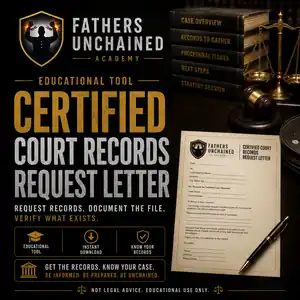
Records Request
Certified Court Records Request Letter
A structured letter for requesting certified docket entries, pleadings, summonses, returns, orders, affidavits, and related case records.

Fathers Unchained Academy
Letters, scripts, worksheets, checklists, and preparation tools designed to help you organize the record and prepare with purpose.
Start with the official file. Request it clearly, document what the clerk says, place events in order, and compare docket entries to the underlying documents.
A structured letter for requesting certified docket entries, pleadings, summonses, returns, orders, affidavits, and related case records.
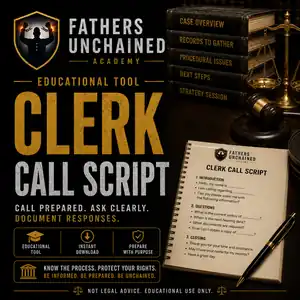
Prepare neutral, record-based questions and document the clerk’s answers, name, date, time, and required follow-up.
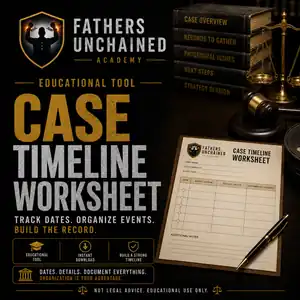
Organize filings, service events, hearings, orders, enforcement actions, and source documents in chronological order.
Flag missing, incomplete, unsigned, inconsistent, or unexplained items without turning an observation into a premature legal conclusion.
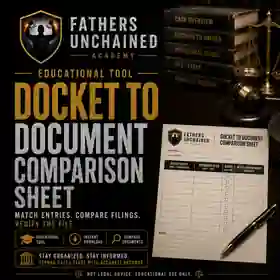
Compare important docket descriptions with the actual pleadings, orders, notices, summonses, affidavits, and returns behind them.
Keep hearing notice, summons, service, return, appearance, and jurisdiction-related records separate so each can be reviewed on its own terms.
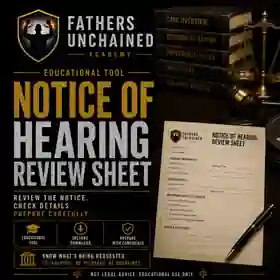
Extract the date, time, location, issues, method of notice, response deadlines, and preparation requirements from a hearing notice.
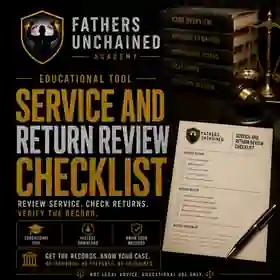
Review issuance, service, filing, names, addresses, signatures, stated methods, affidavits, and docket consistency.
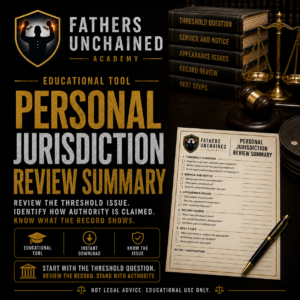
Organize the record concerning service, notice, appearance, waiver, objections, and asserted authority in one focused summary.
Create a traceable record of what was raised and organize a focused hearing presentation around the issue, evidence, authority, and requested relief.
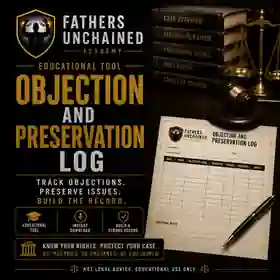
Track the issue, when and where it was raised, supporting filings and authority, the ruling or absence of a ruling, and possible follow-up deadlines.
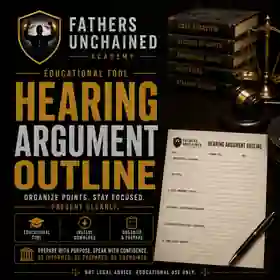
Organize the issue before the court, verified record facts, governing authority, anticipated questions, and the specific relief requested.
These resources help users organize records, identify questions, prepare for informed research, and communicate more clearly. They do not provide legal advice, create an attorney-client relationship, determine whether service or jurisdiction was legally sufficient, or guarantee any court result. Always verify the law, rules, deadlines, and filing requirements governing your jurisdiction.